

Dubai Crown Prince approves new planning model to transform residential areas
Digital Resilience Policy strengthens government services and critical infrastructure
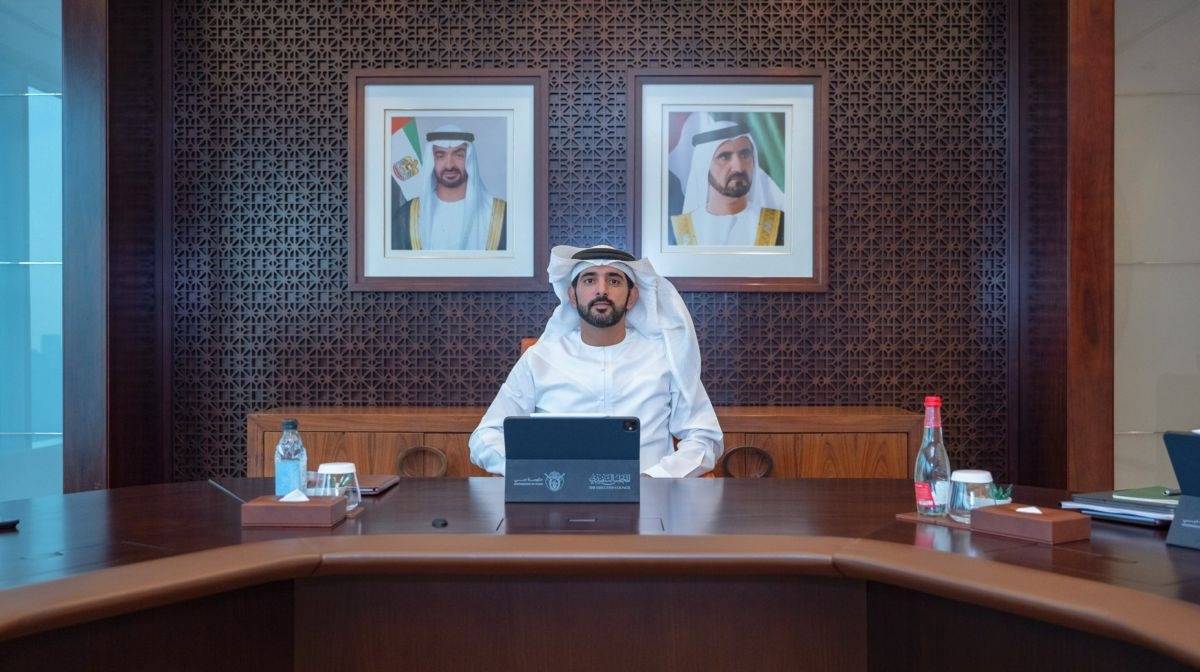
DUBAI – His Highness Sheikh Hamdan bin Mohammed bin Rashid Al Maktoum, Crown Prince of Dubai, Deputy Prime Minister and Minister of Defence of the UAE, and Chairman of The Executive Council of Dubai, has approved a comprehensive set of urban and digital policies designed to shape future residential communities, improve citizen welfare, and strengthen the emirate’s digital resilience.
The decisions were formalised during a meeting of The Executive Council held at Emirates Towers, attended by His Highness Sheikh Maktoum bin Mohammed bin Rashid Al Maktoum, First Deputy Ruler of Dubai, Deputy Prime Minister and Minister of Finance of the UAE.
The newly approved initiatives align with the Year of the Family announced by His Highness Sheikh Mohamed bin Zayed Al Nahyan, President of the UAE, and the Dubai Social Agenda 33 launched by His Highness Sheikh Mohammed bin Rashid Al Maktoum, Vice President and Prime Minister of the UAE and Ruler of Dubai. Under the theme “Family: The Foundation of Our Nation”, the policies support a planning framework that places citizen welfare and family empowerment at the centre of Dubai’s urban development.
I chaired a meeting of The Executive Council and approved the new planning model for developing citizens’ residential areas and the Digital Resilience Policy, which enhances Dubai’s digital leadership. We also approved The Executive Council’s Agenda for 2026, aligned with the… pic.twitter.com/RkXbNG6NDm
— Hamdan bin Mohammed (@HamdanMohammed) December 8, 2025
Sheikh Hamdan stated that Dubai continues to advance on an integrated development path that prioritises people and reinforces the emirate’s position as a global model in social and urban planning. He highlighted that guided by the directives of His Highness Sheikh Mohammed bin Rashid Al Maktoum, the emirate is focused on creating socially connected and service-integrated communities that elevate quality of life across all segments of society. He added that the new model supports the vision of transforming Dubai into one of the world’s most advanced, beautiful, and citizen-focused cities.
Key tool
Sheikh Hamdan underscored the importance of strengthening resilience, adopting proactive standards and maintaining a future-ready digital ecosystem to support Dubai’s long-term ambitions. He noted that Dubai’s digital infrastructure is among the most advanced globally and is central to fulfilling the objectives of the Dubai Digital Strategy launched in 2023. The strategy aims to digitalise life in Dubai, consolidate the digital economy, and empower society through enhanced government services.
As part of this effort, the Digital Resilience Policy was approved to enhance Dubai’s leadership in digital governance. The policy establishes a unified framework to ensure the continuity, security, and efficiency of digital services across government entities while supporting the emirate’s broader transformation agenda.
The Crown Prince also endorsed the general plan for The Executive Council’s Agenda for 2026. The plan focuses on achieving economic and social priorities outlined in the Dubai Plan 2033, advancing development across infrastructure, services, and community well-being.
Anchored in sustainability
The Executive Council approved a pioneering planning model for citizens’ residential areas, designed to enhance quality of life, promote social stability, and strengthen sustainability. The model supports the objectives of the Dubai Urban Plan 2040 and reinforces the traditional concept of the Fareej, promoting close-knit communities through interconnected neighbourhoods that encourage active lifestyles and social engagement.
The residential framework introduces shaded walkways that link homes to local service centres, parks, and facilities. Dedicated paths for walking, running, and cycling are incorporated to encourage healthy mobility and minimise reliance on vehicles. Public spaces will play a central role, with parks and squares transformed into interactive hubs for cultural activities, social gatherings and community-led initiatives.
The model aims to promote vibrant environments with strong identity, enhancing residents’ sense of belonging and supporting the creation of harmonious, family-focused neighbourhoods across Dubai.
Interconnected Green Spaces
A major component of the plan is the expansion of green and recreational spaces. Across Madinat Latifa and Al Yalayis, the blueprint includes 152 new parks, ensuring that no resident is more than 150 metres away from a green area. More than 33 kilometres of cycling routes will be added, alongside central parks equipped with facilities catering to diverse age groups and interests. The plans also include new community majlis and wedding halls to support social cohesion.
The initiative reinforces Dubai’s 20-Minute City concept and introduces community parks that form a linked network of central green corridors.
Walking and cycling paths
In Madinat Latifa, approximately 11 percent of the total area is allocated to green and open spaces. The plan includes 12 kilometres of interconnected walking and cycling paths, encouraging seamless mobility throughout the district. The framework provides for a full complement of services including schools, early childhood centres, mosques, health clinics, and commercial zones. Development across 3,000 hectares is projected to accommodate 141,000 people, featuring 18,500 residential units and 77 parks.
In Al Yalayis, the model incorporates a continuous green corridor that links residential clusters with recreational, commercial and service facilities. The district is planned across 1,108 hectares with the capacity to house 66,000 people, featuring 8,000 residential unit plots and 75 parks. The integrated design supports sustainability, community interaction and ease of access to daily amenities.
Digital Resilience Policy
The approved Digital Resilience Policy sets a proactive framework to strengthen digital infrastructure across the emirate. The policy aligns with the broader Dubai Resilience Strategy and complements digital transformation efforts focused on simplifying people’s lives and enhancing the digital economy through advanced technologies, including artificial intelligence.
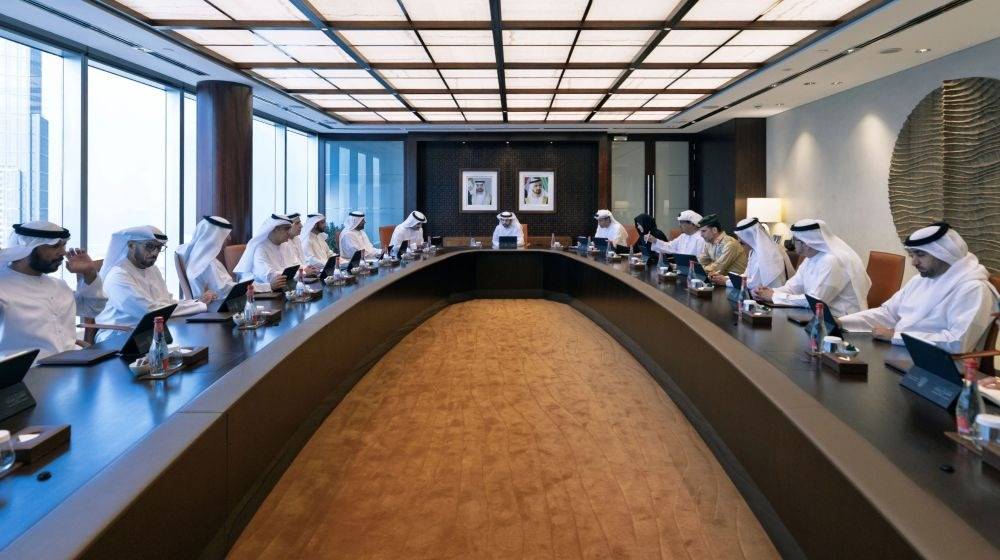
Compliance with the policy will ensure continuity of critical digital services, reinforce protection systems, safeguard digital assets and elevate the performance indicators monitored through leadership dashboards. It introduces structured communication channels, a governance system, and key performance indicators to ensure readiness, rapid response and effective recovery from digital disruptions.
The policy also highlights the importance of coordination between public and private sectors to protect critical assets such as data centres, networks, cloud platforms and user devices. Enhanced collaboration will support rapid incident response, contributing to Dubai’s commitment to uninterrupted digital services and strong public trust.
2026 agenda unveiled
The Executive Council reviewed progress under the 2025 agenda and approved the 2026 plan.
The new agenda focuses on advancing the targets of the Dubai Plan 2033 across multiple sectors, including social development, infrastructure, economy and investment, entrepreneurship, public services, security, justice and safety. The plan reinforces Dubai’s long-term vision to build resilient, inclusive and future-ready communities supported by strong digital, social and economic foundations.